

Opinion
What the furore? #musicjournalism
Sindy Peters | 2 May 2014 6:03 PM
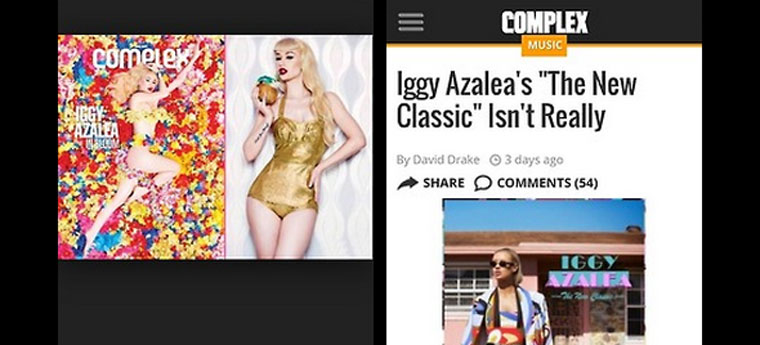
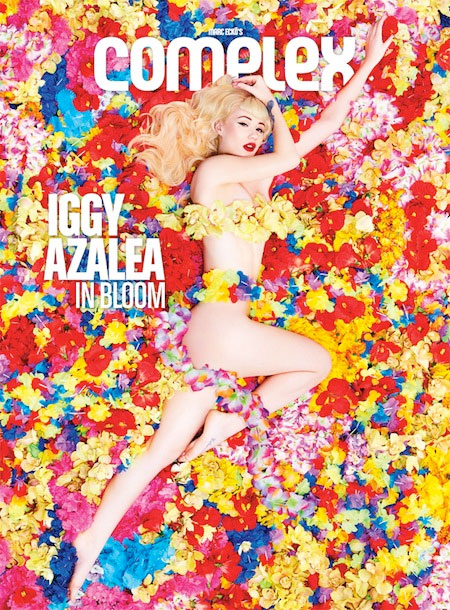
A recent review by New York-based Complex magazine critising Iggy Azalea's The New Classic, has ruffled a few feathers in the music scene - most notably, New Zealand's Lorde. Let me give you some context: Lorde took to tumblr to critisise Complex for having Azalea on its cover and then giving her album a bad review.
Here's the full blog post:
"bugs me how publications like complex will profile interesting artists in order to sell copies/get clicks and then shit on their records? it happens to me all the time- pitchfork and that ilk being like “can we interview you?” after totally taking the piss out of me in a review. have a stance on an artist and stick to it. don’t act like you respect them then throw them under the bus."
This was followed up by a Twitter rant by @IGGYAZALEA tweeting things like:
"I agree @lordemusic media LOVE to flop about, But when you're completely spineless Im sure its hard to stick to even ur own opinion #GoGirl"
and
"The media will beg for free tickets to your show just so they can write about how much they hate it etc etc, I wish you could all see it."
and then it got personal:
"They also love to have upbeat bubbly mid 20s women do the daily blog posts about you..."
oh, there's more:
"But keep a stash of pseudo intellectual middle aged men in sandals at hand ready to review everyone's albums."
Complex responded shortly after with "Why Lorde, Iggy Azalea, & Grimes are wrong about criticism and journalism".
After all that commotion, there are lessons for all to be learnt.
From an artist's perspective, I can imagine it is kind of kak when a magazine uses your popularity to drive sales figures by featuring you on their cover and doing a profile on you and in the same breath giving you a bad review. On the other hand, there's a big difference between an artist profile and a review - it's not a journalist's job to be nice to any artist, regardless of how popular they are, just because that artist agreed to a profile feature in the past. If that were the case, that would amount to a variation of chequebook journalism, and nobody benefits from that.
A review, in fact, is worlds apart from a profile feature purely because a review is based on opinion. A review is for the benefit of both the artist and the public:
- A review for an artist is much like a performance review for those with an office job. An artist needs honest, constructive criticism if they are to improve their output and up their game.
- The public, at times, can rely on tastemakers in the industry to determine what's worth listening to or purchasing.
Opinion is fluid
Another bone of contention is that Lorde believes journalists / publications should "have a stance on an artist and stick to it". That's just not possible, as pointed out in Complex's response: "No one should stick to their opinion when new facts (possibly in the form of new music) are made available that can alter your views. Art and artistry are fluid things," wrote Insanul Ahmed, an associate editor at Complex Media.
For example, I could think Naima Kay is just the bees knees after hearing her debut album, but I could very well find her follow-up album a disappointment. Just as artistry is fluid, so is opinion.
As an artist, also recognise that reviews, by their very nature, are subjective. While one journalist might not enjoy an album, another journalist at the same publication may think it's the best thing since Zahara's Loliwe. One opinion cannot represent that of an entire publication.
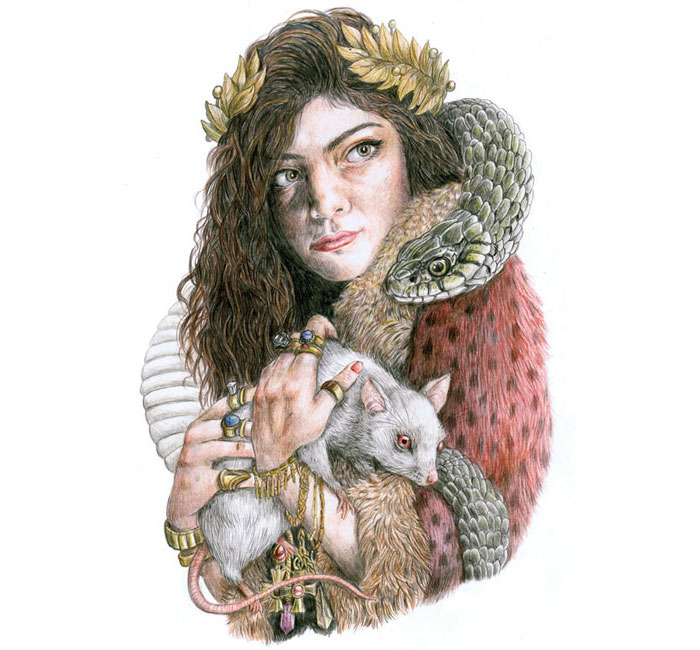
Lorde and Azalea are young artists, and it can at first be difficult to stomach harsh public criticism. Unfortunately, it's unavoidable when your office is a stage, and your tool of choice is a microphone.
Next week we'll look at how artists should deal with tough criticism.

[Sindy Peters]
Sindy Peters is a content curator and creator who's got a nose for a good story. She's been banging on that keyboard for eight years and still hasn't turned square-eyed. She lives off good music, and envisions a South Africa where local musicians are able to turn their passion into a healthy, sustainable career.