


Opinion
Death of the music specialist
Moeneeb Galant | 5 Jun 2014 9:26 AM
The digital age of music has had a lot of positive effects on the industry, however, have any of us considered the not-so-positive outcomes?
Go back 20 years or so and you would have needed either a four-track or eight-track tape machine in order to record your multitrack music… The digital age has had a significant impact on the creation of music. It has allowed millions of project studio owners, professionals, and even just general music lovers to express themselves creatively. This should not be disregarded.
For now though, let’s explore some of the possibly detrimental results….
How it used to be
Michael Jackson’s multi Grammy award-winning Thriller album - what a great piece of work! Have you ever thought about what made Michael Jackson’s album sonically great? Yes, he was extremely talented and we could say that no matter how crappy the quality of the recording / mix / master, he would still sound great. However, there are other factors that catapulted, elevated and enhanced it even more.
In days gone by, artists and producers would hire specific recording engineers because of the awesome way in which they captured audio (onto tape/ADAT/PC, take your pick). They would also then hire specific musicians for specific songs because of the specific way that these musicians played. For example, three different songs could use three different recording engineers, three different drummers, guitarists, bassists, etc. Mix engineers were hired because they specialised in mixing - keyword being specialised! The same goes for mastering engineers. Further to that, different recording studios were sometimes used for tracking and mixing. I could write about this all day…
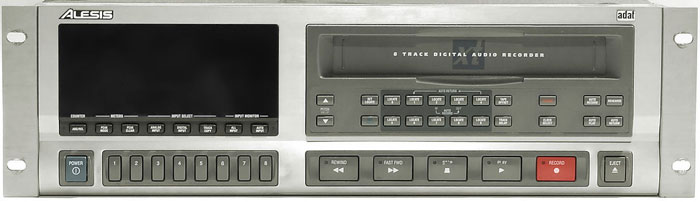
Source: Wikipedia © Bomba Rassss
Have we dropped our standards?
Answer the following questions:
- Have you ever commissioned a specific engineer to record your music?
- Have you ever hired an engineer because of the sonic and tonal quality/character he/she is able to capture in his/her studio?
- Have you ever hired different musicians to record different pieces of music for your project? (By different musicians, I do NOT mean whoever was available, but a deliberate choice because of the way the person plays / their creativity.)
- Have you ever hired a specific mix engineer because of the sound that they are able to produce?
- How many dedicated mix engineers do you know of in South Africa?
- How many mastering studios do you know of in South Africa?
- Does the average music listener care about any of the above?
- Should YOU care about any of the above?
- DO YOU CARE ABOUT ANY OF THE ABOVE?
I assume that most people would have similar answers to the above, especially for question seven. Honestly, the average listener doesn’t really care about any of the above; all that they care about is that it’s a good song. However, they are also the unbiased ears that pick up on when something is not a quality product. Am I contradicting myself? No, I'm not.
Why should we drop our standards of performing, recording, songwriting, mixing and mastering? The average listener can’t tell the difference. SO WHAT! If we value our craft/art, should we not take pride in what we do? Why do we lower ourselves to the point where we say 'It’s ok, no-one will pick that up anyway' or ‘It’s ok, we can fix it in the mix', and also 'The mastering engineer will sort that out'. Sort what out? Do we all understand the role of each process in the recording, mixing and mastering process?
The purpose of all of these questions is to allow YOU as the artist, engineer or musician to personally reflect on the way you currently create your music and ask yourself how you can improve.
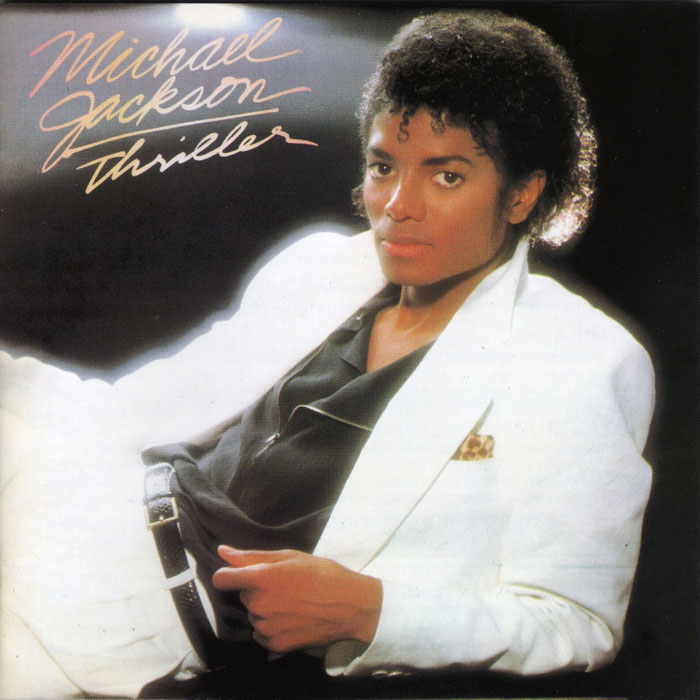
Back to the Thriller album
While recording this album, the recording engineer ensured that the recorded material was the best that it could be. It was recorded so well that, for example, on that entire album there was NO compression on Michael’s lead vocals. His vocal was sent through a compressor, but purely because of the tonal quality that it added - no gain reduction or added gain.
Fast-track to today’s music world and tell a home studio engineer that can record music very well not to use compression on mixdown. You will get laughed at!
Here is some homework for you: go youtube / google / buy Gwen Stefani’s “Hollaback”. That entire song is mixed using NO compression AT ALL.
What Google tells me
We all would like to compete and say that music created in our country is up there with the best that the world has to offer. Unfortunately, we sometimes do not allow ourselves to develop enough to be able to compete.
A quick google for mastering engineers in South Africa brings up four or five mastering engineering studios. They specialise in mastering ONLY. One or two of them do in fact do some mixing, but they clearly state that they will NOT master the track that they have mixed. Why do you think that is?
Google ‘mix engineers’ - it brings up a host of possibilities. The same goes for recording engineers.

South African music vs the world
My view is that our music can in fact sit right up there with the best that the world has to offer. In order to do that we all need to do and realise the following:
- End the huge and ongoing debate about 'We sound too local' vs 'We don’t sound local enough' – music is universal, who cares!
- Take your craft/art seriously – take pride in your work!
- If you consider yourself a 'generalist', do some soul-searching and identify what you are good at. Once that decision is made, focus on that, and be the best at that! It will benefit the industry in our country. I'm paraphrasing here, but,'Who would you fear more, the man who practiced 10,000 kicks once, or the man who practiced one kick 10,000 times'.
- Finish whatever you start, whether you like it or not.
- If you want recognition, put in the hard work that is required – overnight success does not exist!
Please do your own research as well - the worldwide web allows us easy access to information.
In my next article, I will start looking at some of the technical aspects of the recording process.

[Moeneeb Galant]
Moeneeb Galant is a music producer, songwriter & engineer, in the business for almost 10 years. He has worked with artists such as; Jarrad Ricketts, Clint Brink, Lloyd Jansen; Chad Saaiman and Ebrahiem Inglis. Founder of Gimme Moe Productions, Moeneeb focuses on recording, production, composing, voice-overs, editing, mixing and mastering.