

Interviews
Simphiwe Dana's vision for Africa
Sindy Peters | 26 Jun 2014 2:51 PM
With the support of AU Chairperson Nkosazana Dlamini Zuma, Simphiwe Dana recently gathered over 100 pan African artists in Addis Ababa with the aim of reimagining a more developed Africa by 2063.
The songstress believes arts & culture should form part of the African Union's vision for the future.
"Artists, musicians in particular, are at the centre of African development because, until we are familiar with each other, until we can be immersed in each other's cultures, we will find it difficult to do business with each other," says Dana.
AU Agenda 2063
Looking roughly 50 years ahead, the AU's Agenda 2063 is focusing on how to use lessons from the past, as well as progress currently underway, to reach socioeconomic transformation in the future. At the heart of its aims lies the need to awaken a passion for pan-Africanism, a sense of unity, self-reliance, integration and solidarity.
"Music gets us all familiar with each other quicker than any social cohesion conferences and such. That is why music is so powerful. Our role is therefore to unite the continent, carry ourselves to ourselves through the radio airwaves etc., and make the job of politicians and business people much easier," says Dana.
Social activist
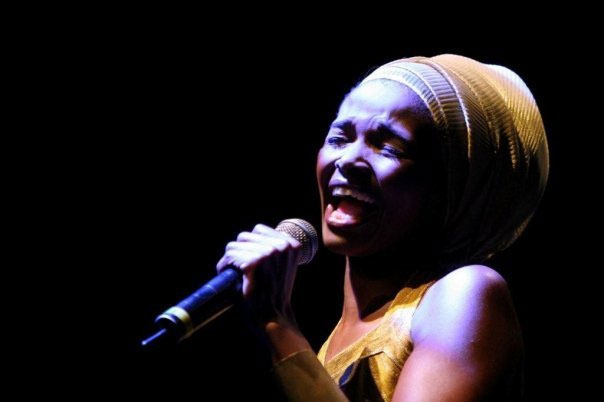
Artists are usually not very outspoken about their ideals and beliefs, but Dana wears the badge of social activist very proudly and publicly. She encourages other artists to do the same, given their ability to reach people.
"Artists need to realise how much sway they hold over people because of how adored they are. They then need to use this sway to change the world. Even politicians are not as powerful as artists," says Dana.
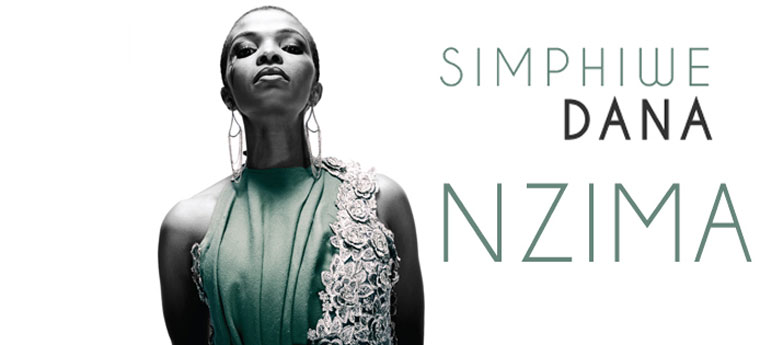
Using her music as a means to voice her concerns, and decry injustices, Dana's recent release, Nzima, draws on the Marikana tragedy for inspiration. According to Dana, the song is drawn from centuries of pain and violence, and is essentially a prayer for a people that have had a history of violence inflicted upon them.
The video for the song was filmed at Morris Isaacson High School - a historical landmark of the 1976 Soweto uprising and includes stock footage of the Marikana protest.
"There were very strong parallels between the Lonmin massacre of August 16, 2012 and the June 16 massacre of 1976. This is not to say we can file both in the same folder, but the massacre of an almost defenceless people was reminiscent of 1976. The difference was that one was orchestrated by the apartheid state and the other by an African government to protect white capital. The latter spoke of a deeply ingrained slave mentality, serving the master at the expense of your own people. I need this to be understood, so we never think the two are similar - even as we draw the parallels," says Dana.
Eclectic album
Written over a period of three months, with Nzima, Dana's aim was to canonise the memory of those who died in the Marikana massacre. The rest of the album will not however run in the same vein; Nzima is a standalone theme. Dana describes the album as an eclectic mix of different sounds tied together by her vintage sound.
Describing her vision for Africa in 2063, Dana sees "an Africa that sees itself as a river instead if its tributaries."
"We are one people; for us to succeed we have to unite," she says.

[Sindy Peters]
Sindy Peters is a content curator and creator who's got a nose for a good story. She's been banging on that keyboard for eight years and still hasn't turned square-eyed. She lives off good music, and envisions a South Africa where local musicians are able to turn their passion into a healthy, sustainable career.