

Interviews
Collaboration of ideas is key - Joanne Oliviér
Music photographer Joanne Oliviér has words with Project Loud about how she kicked off her career in the music biz, how she works with tough cookies, and why it's important to have a listen to an artist before a shoot. She's also got some stern advice for musicians looking for success in the South African music industry.
You get to combine both your passions - music and photography - and still call it a job! Please explain. That is, how you started your career in music photography.
Joanne Oliviér: I worked for Gallo / Warner for ten years, but had studied photography when I was at Rhodes. It was a hobby though, nothing I was getting paid for. Over the years, my obsession with it grew and I started taking more and more photos until I got to the point when I realised I needed to pursue it more seriously. I shot a lot of different things, but when it came down to it, I kept on shooting more and more live shows, and more artists, so I decided to make that my main focus. I do believe you should specialise in a trade, and not be a jack of it all. Music has been in my blood since I can remember, so it just made sense for me to make my photography focus entertainment / music-based. I also believe you need to understand music in order to shoot it. It’s very important for the look, feel and trying to capture who the artist is.
I can also tell when I am not enjoying a shoot, I can feel it in my bones, and so the only way for me to keep the passion was to shoot the things I loved. That’s pretty much the majority of the stuff I shoot these days, but I am also keen to experiment, as long as it isn’t your best friends baby shower, then I might say no.
Do you think some educational background in photography is necessary, or being self-taught is the way to go?
Joanne Oliviér: You can never ever learn enough about photography. I do believe a basic course is a good idea, so you don’t just switch your camera to automatic and think that’s the best way. Thing is, I am always learning new things, new tricks, new ideas. It’s a constant learning process and if you aren’t playing with new ideas and progressing as an artist, then you might as well put the camera down. That’s where the difference lies. Those who spend all their time learning new things, new ways to shoot, they’re the ones who reach that next level in their work. If you couldn’t be bothered to learn more, then maybe it’s not such a big passion after all.
Shooting live performers is all about timing and sometimes pure luck when you capture a really unique moment - what do you look out for when shooting live gigs?
Joanne Oliviér: Live photography is tricky. You need to know your camera well so you can change your settings in a second without even looking at your dial. The lighting and moments change in a split second, so if you don’t know how to operate that camera like a Jedi, then you are going to lose a lot. Another trick is to just shoot loads, because in the ten shots you get, one of them is going to be a winner. Another trick I have is to shoot with a high ISO, so you can capture those high-speed rock star jumps.
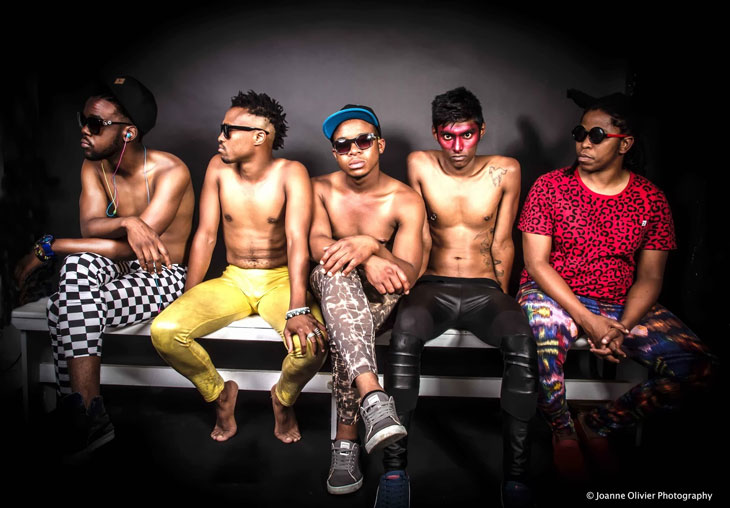
The Brother Moves On © Joanne Oliviér
Who've you had the best time shooting? Why?
Studio / artist shoots:
Joanne Oliviér: My favourite shoots are the ones where I know the artist, I like and get their music and they aren’t surrounded by ten directors. My favourite two shoots recently were with Michael Lowman, for his album artwork for Crayon Boxes and for Rolling Stone. We found a location, brought some props, poured some whiskey, put on the tunes and literally just did whatever came to mind, no matter how crazy it may have seemed. I need to be relaxed, feel comfortable with someone to really get the best out of it, although I do make the best of each shoot I do, even if it is in a studio with an entourage of bosses.
Live
Joanne Oliviér: A couple of live shows that stand out for me were Biffy Clyro at Ramfest, Frank Turner at Parklife, and Tori Amos at her previous tour. The photographers were not allowed to shoot during the show, so Tori put on a one-song show just for us, so we could get the shot. That was a very special experience. I also love shooting random live club events; it’s less time constrained and tense.
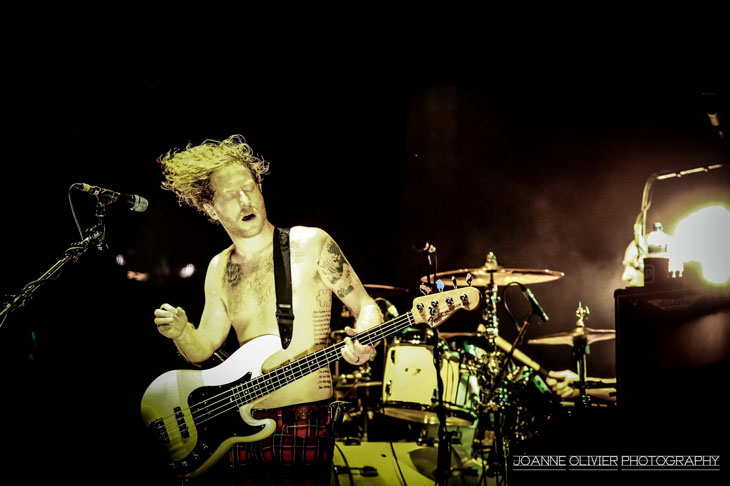
Biffy Clyro live © Joanne Oliviér
What sort of expectations should an artist arrive with for a shoot?
Joanne Oliviér: Every shoot is unique. That is no lie. The trickiest part of photography is the brief. It’s a visual medium, so we could think we are on the same page, but we could be on different planets. I always ask for reference pics, their music etc so I know the vibe and idea of what to deliver. The more the artist gives the photographer, the better chances they will get what they want.
How do you handle the difficult clients?
Joanne Oliviér: Silently… and with a lot of patience. You have to remain calm and in control. At the end of the day they have hired you to shoot, so they should trust you.
You mention in your blog that it's important to listen to the artist's music before a shoot happens, could you elaborate?
Joanne Oliviér: Music sets the mood. If I listen to the artist’s music I can get a glimpse into who they are, their style, the mood they want etc. It also comes with loads and loads of experience in the music industry, so I guess I have that as an advantage over other photographers who haven’t worked on the inside.
You do a lot of conceptualised artwork with bands and artists - do you find clashes of creativity at times, does the artist usually get what they want either way, or do you get to have some input?
Joanne Oliviér: I most always give my input and add wherever I can. I am not just a camera operator, I have a style and ideas that always add to the shoot. If someone wants something specific I can give them that, but collaboration of ideas is key.
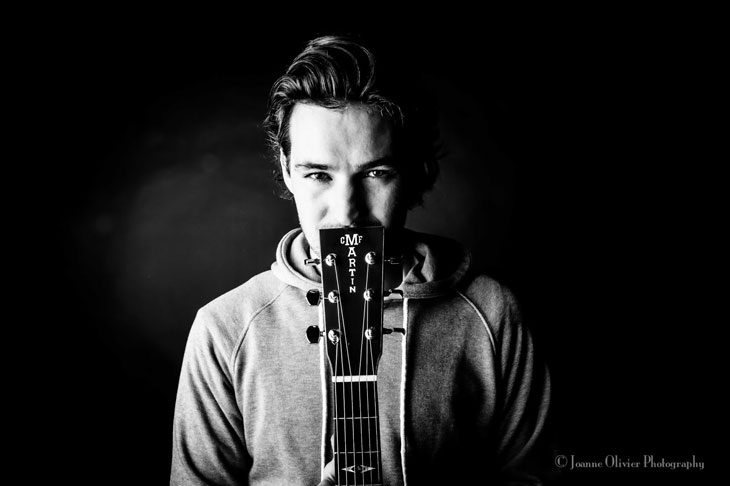
Michael Lowman © Joanne Oliviér
What advice would you give someone keen to get a foot in that music photography door?
Joanne Oliviér: Just do it. Don’t think you can’t. Passion and love is what drives a music photographer. Try ask promoters if you can shoot their gigs in exchange for some pics. Shoot your friends' bands for free. Experience, practise and passion make it easy. Approach people in the music industry, stay on top of trends, and don’t be shy about it.
If you could shoot any artist, dead or alive, who would it be?
Joanne Oliviér: Ben Folds and Thom Yorke. I think I might die if I had a day with either of those two.
Give us your top three South African musicians.
Joanne Oliviér: That’s a hard one. I don’t have ultimate favourites. Old school favourites, Karma (Henry Ate), Matthew VD Want, Fetish and recently I have been enjoying Laurie Levine and Michael Lowman.
Lastly, across all spheres of the South African industry, what do you think we're still getting wrong, but also, and more importantly, what are we getting right?
Joanne Oliviér: The calibre of bands and music has improved ten fold in the past couple of years, and that’s a winning formula. On the other hand there are all the same problems that have been cropping up, not enough support from local people, not enough venues and some bands who don’t understand how the industry works. You need to work hard, play your ass off and not bitch about other bands who might have been more successful than you.
Joanne Oliviér is a music / entertainment photographer and music specialist / PR officer at Tickybox Media. She believes Friday afternoons should be spent out at lunch and not in the office. Joanne blogs at http://joanneolivier.blogspot.