



How to
The consistency and believability of your image
David Chislett | 26 Aug 2014 6:28 AM
In the modern environment, what an artist or performer looks like has become increasingly important from a marketing perspective.
Competition in the marketplace is fierce, global and sophisticated. Many performers have become such recognisable commodities that they have transformed themselves into what marketers refer to as a brand, and they represent a range of products and ideas that are instantly recognisable.
Think of an entity like U2 and immediately you get the idea. They have a strong, instantly recognisable visual presence, you know what they stand for thanks to Bono’s activism, and they have a long line of recordings and merchandise to back them up. Their tours are carefully crafted, named and promoted as large entities in their own right. Thus they present an image to you that you know, understand and buy into almost instantly.
For a new band, aiming for this kind of thing off the bat is not only impractical but unrealistic and will give the impression of arrogance. There are, however, some good lessons to be learned from how the big boys roll that should definitely be taken on board.

U2
Consistency
Anyone who reads a magazine will tell you that visual recognition is by far our strongest impulse. Your eye will scan pages to check out the picture long before you read the text. We tend to remember the patterns and colours we see far more strongly than words on paper. So it is with a band.
If you turn up in public in radically different outfits every time you play, the chances of your public recognising you from day to day is not good. This is not necessarily to say you should be playing your shows in some kind of uniform, although this is an option that some bands choose to follow. What it does mean is that you need to pay attention to establishing a recurring theme and style that you can stick to in your live appearances. In other words, if you appear one week in a super bling outfit with shades, chains and a hat, wear something similar at subsequent gigs; don’t pitch up in jeans and a plaid shirt.
Believability
You have to be comfortable in what you wear, and it has to sit well with what you are doing. Turning up dressed like a hillbilly to drop a dope hip hop set is just not going to be believable. Likewise, trying to play some serious jazz in a glitter covered glam rock jumpsuit is not going to help. Bear in mind however, that turning stereotypes on their heads can be useful from a recognition point of view. For example, the Beatles’ whole suit and tie get-up in the 60s worked.
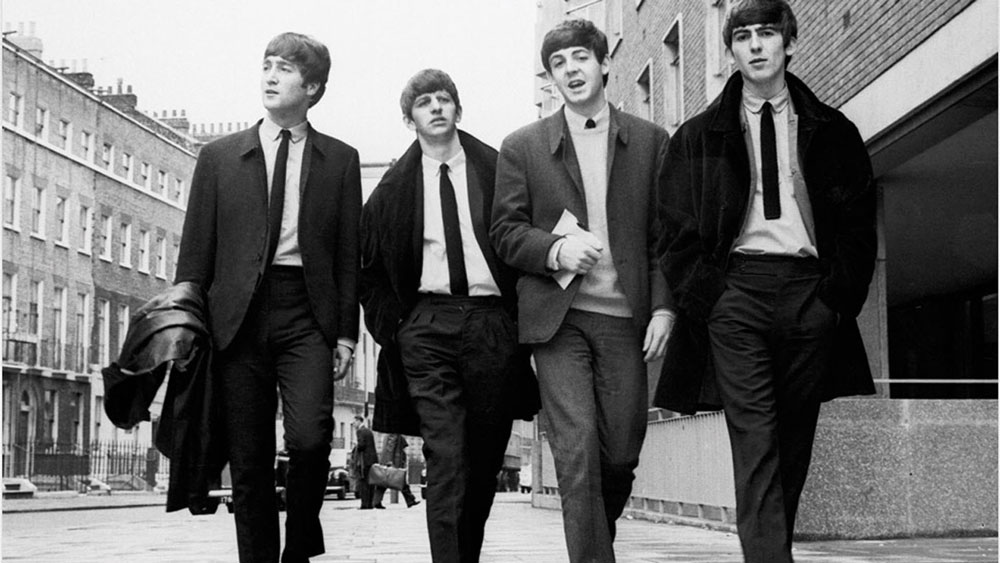
The Beatles
It was recognisable, consistent and neatly turned establishment ideas on their heads without looking silly or being unbelievable. The challenge modern artists face is that so much has already been done in that regard. But no matter what it is that you choose to wear, remember that your entire group has to be comfortable so that they can perform at their best. Anyone who looks or feels awkward is going to detract from your believability.
Next week: What you look like vs who you are
Originally published in David Chislett's One, Two, One, Two: A Step By Step Guide To The South African Music Industry. Download a free copy of the book at www.davidchislett.co.za.

[David Chislett]
David Chislett is a multi-talented South African speaker and writer. He graduated to national radio in 1994 when Barney Simon used him as a live radio correspondent on 5FM from London. David delivers a key note address, “Unleash Your Inner Rockstar” with Martin Schofield which teaches the hidden secrets of success from the music industry to businesses.