


How to
Recording vocals in the home / project studio
Moeneeb Galant | 25 Jun 2014 8:59 AM
Recording a high quality vocal take is something for which every home studio strives. Regardless of genre, we want our vocal recordings to sound amazing. But why is it that, for many, it is the one element that we struggle to perfect?
Let’s explore this in a little detail. Please note that any piece of gear that I make mention of is only made in order to better explain the processes and techniques.
Setting the scene
"Well, I’ve got a condenser microphone, microphone stand, pop-shield and a nice audio interface. I can record vocals for you!" Sound familiar? We have probably all said this at some point in our recording careers. However, even though the statement is fact, there are more factors that contribute to a great vocal recording. Let’s break it down a little more.
The requirements:
a. A great vocalist
i. As silly as this may seem, you cannot possibly think of recording a great vocal take without a great vocalist. What is a great vocalist you might ask? Well, it doesn’t necessarily mean that they are 100% in time and always 100% on pitch (would be nice though), but think of it as a singer who makes you believe what they are singing about - someone who, when they sing, you 'feel it'.
b. The room
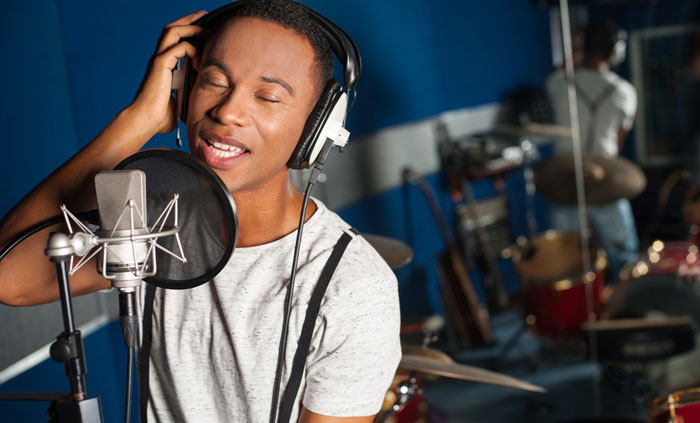
i. The space in which you record is part of your recording signal chain, as well as part of your monitoring chain. Many people foolishly try and kill all reflections in their home / project studio space. You will notice that I used the term "kill all" - reason being that most rooms will require some sort of sound reflection dampeners. However, killing all of them will make your room sound weird when you walk into it, as well as change the frequency response of what you hear from your studio monitors, as well as what your microphone picks up during recording. Truth be told, I have sound acoustic foam in my home / project studio, however, I have them strategically placed in order to kill some of the reflections in the room.
ii. Yes, acoustic foam will kill reflections; however, it will also suck up and literally kill the high-end and high-mid frequencies in the room. If you have placed acoustic foam in your entire studio space ie. all of the walls, a ceiling piece just above your head, installed carpets on the floor of the room, do you have problems with your mixes sounding 'boomy' with an ear piercing high-end? Too much low-mid frequencies in your vocal recordings? Trust me; it’s your room that is a huge contributing factor.
c. The microphone
i. For most of us, we choose one microphone within our budget and we never look back. This is by no means a mistake; however, you need to understand (by trial and error) how to get the best use out of that microphone. How do we do that? It’s all about microphone placement.
ii. Again, in the home / project studio we tend to set up the microphone in one place and we always record there. Another blunder! Try this: record a vocalist doing verse one of a song, then leave verse two for the next day. Only this time, set the microphone up in a different place in the room. Record the take, then playback the first verse of the previous day versus the second verse of day two. I will not discuss what you will hear, but it will change the way you make decisions in the studio.
iii. Another "blunder" is that vocalists tend to stand pretty close to the microphone. The closer you get to the microphone, the more low-end will be introduced, and, obviously, the further away that you stand, the less low-end will be present. Again, test this out and find the 'sweet spot', bearing in mind that you will have to do this for each vocalist that you record. 'Set and forget' does not exist!
d. Microphone preamp
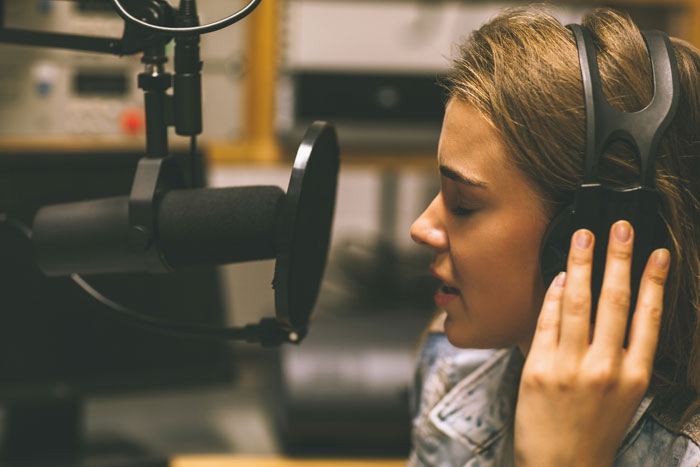
i. Many home / project studio owners have probably not put a lot of thought into the use of external preamps as yet. I will not go into much detail on preamps in this article, as I have prepared a separate post on that which will be published in the coming weeks.
ii. Your preamp is literally a volume knob that increases the volume of the vocalist singing into the microphone. Most home / project studios simply use the gain knob on their audio interface built-in preamps. How much volume does it require? Well, let’s jump straight into that one: the digital audio workstation (DAW).
e. Signal into the DAW
i. While adjusting the input gain knob of the preamp on your audio interface, you need to have a look at the input level into your DAW.
ii. Yes, I know that most of us were taught to record the signal as 'hot' as possible. By 'hot' I mean record your level as close to 0db as possible, however, that was only due to noise floor issues. These are almost non-existent in the project studio.
iii. As you are adjusting the input gain knob, try and make sure that the incoming signal peaks around -12dbfs. This allows you an extra 12db's of headroom for processing at the mixing stage. Yeah, it may not look as cool when it only peaks about halfway up the visual meter, but trust me, you will hear a difference in your completed tracks.
f. Cabling
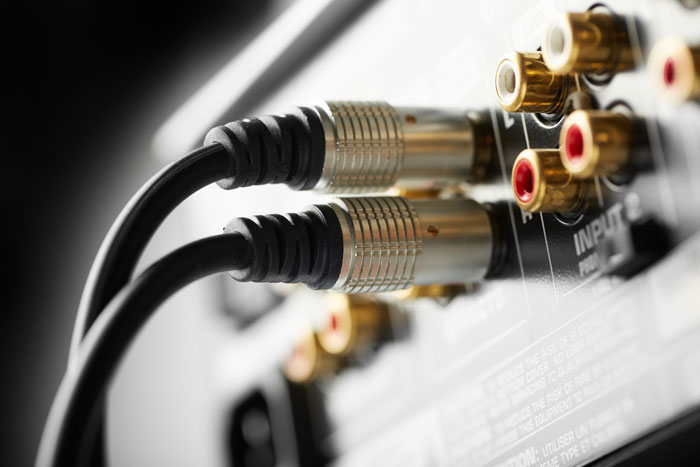
i. I have left this one for last, simply because that is what most people do about it saying, "I’ll change cables eventually..." My advice is to get the best cabling that you are able to. These are the precious wires that carry your signal.
Other things to consider
Of course, there are other factors that contribute to your recordings such as; analog to digital and digital to analog converters (ADDA); type of microphone, microphone polar patterns; clean versus colour preamps; new versus vintage, which can all play a role in getting that mystical perfect vocal recording. However, these only start playing a key role once your skill, technique and ears are trained enough to know how they will impact your music at a macro level. For example, in your current setup, could you justify spending R15,000 on a single channel preamp? With the results being only incrementally better?
Should you be thinking about that? I would say no. Get better at what you do and eventually you will know what you are looking for in your gear, whether it is a new microphone, tube preamp, channel strip… the list is endless.
Impossible expectations
Unfortunately, we all read the fabulous gear reviews that are online in which we see people saying things like, ”Wow, this was the best purchase ever! It sounds waaaaaaay better than my previous [insert name of gear here].”
The problem is that we then expect too much. However, what you need to understand is that the recording landscape cannot be looked at from a micro level. Recording is about capturing a piece of music or melody that will complement the other music in the track.
Recording with 'purpose' is what I do. Only you can decide what you need; the guidelines that I have given you can only help so much. My advice to you is to be creative, try things out, and find what sounds best for you!
More to it
This article is designed to assist you with the technical side of the vocal recording process; there is a lot more to it. One of the most important things being you, the engineer/producer, communicating with the artist and steering them in the right direction, setting up headphone mixes, making the singer comfortable, creating a 'vibe' in studio etc.
Now go make more great music!

[Moeneeb Galant]
Moeneeb Galant is a music producer, songwriter & engineer, in the business for almost 10 years. He has worked with artists such as; Jarrad Ricketts, Clint Brink, Lloyd Jansen; Chad Saaiman and Ebrahiem Inglis. Founder of Gimme Moe Productions, Moeneeb focuses on recording, production, composing, voice-overs, editing, mixing and mastering.