


How to
Playing live: No excuse for poor sound
David Chislett | 4 Nov 2014 3:54 PM
The quality of sound is an issue that has sunk many aspirations over the years and there really is no excuse for poor sound. Money is an issue, but with planning, foresight and preparation, you should be able to overcome the challenges and make sure that you sound as good as you can from the word go.
The first tip is to make sure you understand what is available. Many venues provide a PA for you to play through, but not all of them do. You need to know what is supplied, what it is and why it is important. This information is crucial for when you have to hire sound for venues that do not supply.
A PA is roughly divided into two parts:
Front of house:
This includes speakers, amps, the mixing desk and any processing units the engineer might use, and the “snake” cable taking signals from stage to the desk.
On stage:
The monitors through which your sound is played back so you can each hear yourselves play, plus microphones and cables, microphone stands, extension cords etc.
The equipment the band actually plays on, for example, drum kits, guitar amps and instruments, is referred to as backline. It is usually only at festival gigs that backline is all provided. In a club situation you will either be required to bring your own or to share with other performers on the bill.
Although not part of the sound rig, also be sure to check out the lighting situation at venues. You may well end up playing in darkness if you don’t remember this one.
Understand what is supplied
The first step towards ensuring good sound is therefore to make sure you understand what is supplied and what must be brought by the band. If you don’t have the right equipment, you will never sound any good at all. Familiarise yourself with PA systems. You don’t have to be able to run one, but develop an understanding of the difference between a monitor and a speaker, a mic cable and a speaker cable, an amplifier and a processing unit. The more you know, the less surprises will confront you at a show. Also consider that no one likes to work with a clueless person, so your knowledge will also endear you to those you work with, making repeat work likely.
Operating the sound
Secondly, consider who is going to be operating the sound while you are performing. Again, some venues provide a resident sound engineer to take care of this, but this is not always the case. Find out if it is and get in touch with these people the moment you have a gig booked. Speak to them and play them your demo tape.
Basically make sure that you can form a rapport with them and that they understand your needs. If there is no resident engineer I advise you bring your own. Alternatively, find out if any of the acts you are playing with has an engineer you can use. A good engineer is a highly valuable part of the team that will begin to form around a successful performance unit. If you can recruit an engineer as part of your team, you have someone on your side who can make sure you sound perfect every single time you step on stage, no matter where that is in the world. And you can concentrate on the music, not the sound. A good engineer’s value cannot be overstated.
Not too loud
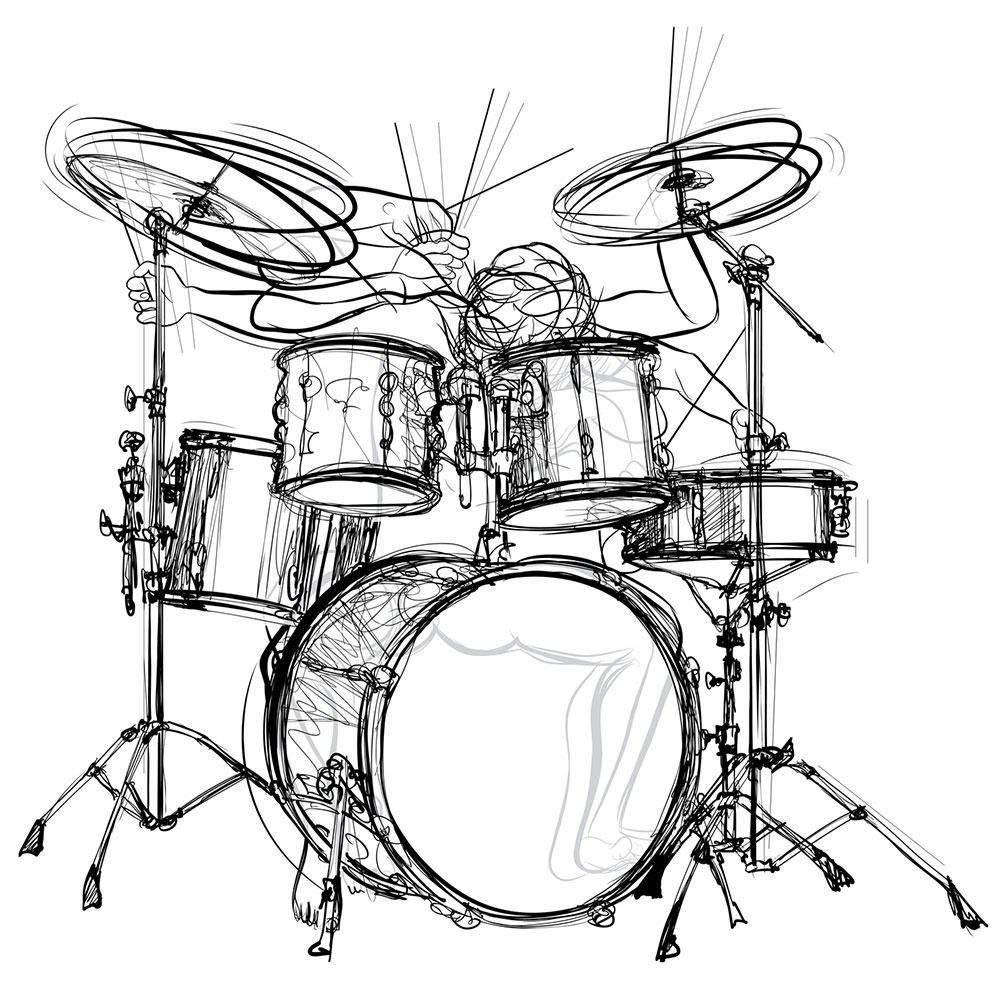
Once you know and understand the dynamics of what you are dealing with in terms of live sound, there are a few basic tips for good sound that years of experience provide. Do not crank your onstage sound up too loud is tip number one. Many guitarists are worried about hearing themselves and turn their amps up really loud. Guys, this is what monitors are for. Loud onstage sound means vocal monitors have to be turned up too high, which results in onstage feedback and a wash of mushy sound, rather than the kind of clear, differentiated sound that is ideal. Playing with a live drummer can present challenges, as many young drummers can only play at one volume and still stay in time – very loud. Your drummer needs to be adaptable to sound conditions and play harder or softer according to the venue size. Of course he still needs to stay in time, which can often be a challenge. Make sure you can hear yourself in your monitors very clearly before soundcheck is over. Once a venue fills up, ambient sound can often change the nature of the onstage mix. If, during your soundcheck, you could only just hear yourself through the monitors, you will not be able to hear yourself during the gig. Monitors can always be turned down quickly. Redoing your levels live is tedious, bores the audience and looks unprofessional.
Backing tracks
If you don’t have a drummer and play off backing tracks, you need to bear some technical issues in mind. First of all, do not use a CD player as your backing track delivery system. They just skip too much. Secondly, make sure your backing tracks are mixed and set up for a live PA. The nature and size of PA speakers are very different to that of studio monitors and headphones. What sounds wonderful in your studio will typically sound mushy and overly busy through a live PA. This is due mainly to the frequency difference between PA and studio monitor outputs. Take your track onto a live PA and remix accordingly; it’s worth the effort for the improved results.
Next week: Playing live - sound checking and frequency
Originally published in David Chislett's One, Two, One, Two: A Step By Step Guide To The South African Music Industry. Download a free copy of the book at www.davidchislett.co.za.

[David Chislett]
David Chislett is a multi-talented South African speaker and writer. He graduated to national radio in 1994 when Barney Simon used him as a live radio correspondent on 5FM from London. David delivers a key note address, “Unleash Your Inner Rockstar” with Martin Schofield which teaches the hidden secrets of success from the music industry to businesses.