



How to
Gear: PA or not to PA?
David Chislett | 24 Jun 2014 6:34 AM
A public address system or PA is something that is only really required once regular live shows become a reality. While there are plenty of places for musicians to perform around South Africa, not many of them are dedicated live music venues and therefore do not have in-house sound systems for artists to play through.
However, this does not mean that one absolutely needs to have a system. There are plenty of small businesses whose focus it is to hire out small PAs to bands, as well as looking after the sound engineering for the night.
The factors to consider when looking at whether to buy a PA or not include:
- cost
- transport
- maintenance
- engineering
Cost
A decent PA is not cheap. To make a system totally and independently sustainable, a good set of speakers (front of house), good onstage monitor speakers, a comprehensive set of microphones and stands, a mixing desk, amplification, a long “snake” cable and possibly some signal processors to improve sound quality are all required. Twenty thousand rand just isn’t going to cover it. Unless the band is in a position to be gigging four to five times a week and saving one to two thousand rand a night in sound hire by owning a system, it is an expensive undertaking that may not even pay for itself in the short to mid-term.
Transportation
Although PA systems these days are extremely powerful for their comparatively small size, they are still not the sort of things that can easily be transported in a car. A dedicated vehicle like a bakkie or possibly a trailer is needed, especially when other band equipment needs to be transported at the same time. This transport means an additional expense as well as increasing the actual workload for the band.
Maintenance
As is routine with things electrical, a PA will need maintaining. Speakers blow, circuits short, cables snap and bits and pieces go missing. In order to keep a PA in peak running order, a fair amount of electrical knowledge and mechanical aptitude is necessary. Or deep pockets to pay someone else.
Sound engineering
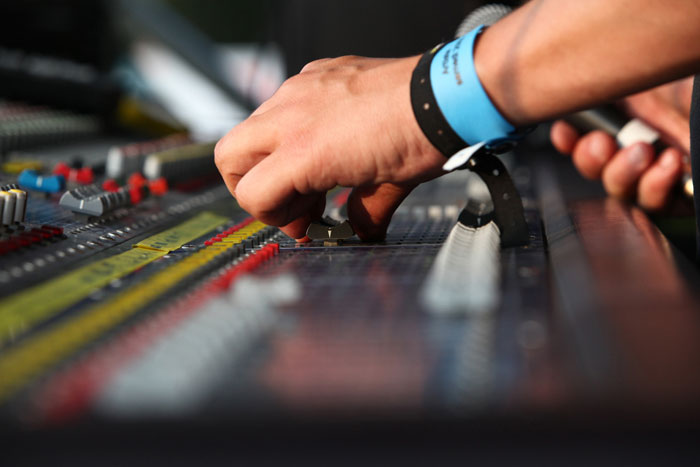
The biggest luxury of hiring a PA or using an in-house system is that these nearly always come with an engineer. At the very least you have the option of hiring the system with or without an engineer. If you choose to buy, one of the band members is going to have to be the engineer, or you are going to need to hire a full-time engineer to look after your sound for you. While it is true that the band can easily soundcheck effectively and set up its sound before going on stage to perform, the acoustic dynamics of a lot of venues change significantly from when they are empty to when they are full. If one member of the band is the engineer, this means that there is no one to tweak the sound to compensate for any of these changes as the performance gets under way. The obvious answer is a dedicated engineer, but bear in mind that he will need to be paid as well, and your bottom line can start to look a little bit thin.
So the short answer to the question is that there is no right or wrong way. As with most issues in this business, it really does come down to what it is you are doing and how far you intend to take it. If you are a commercial band that can and will play four times a weekend and is earning really good money, it makes sense to have your own system and engineer: your sound will always be good and consistent, you have an excellent capital investment and you also have a specialist piece of hardware that you can even rent out on off nights to make more money for your band. But if you are strictly a weekends only, “lets have a laugh” band, it’s not an issue that you will ever need to engage with.
Next week: Who owns what?
Originally published in David Chislett's One, Two, One, Two: A Step By Step Guide To The South African Music Industry. Download a free copy of the book at www.davidchislett.co.za.

[David Chislett]
David Chislett is a multi-talented South African speaker and writer. He graduated to national radio in 1994 when Barney Simon used him as a live radio correspondent on 5FM from London. David delivers a key note address, “Unleash Your Inner Rockstar” with Martin Schofield which teaches the hidden secrets of success from the music industry to businesses.